
46-Year-Old’s Life Saved at Jackson Memorial Hospital After Deadly Heart Attack and Multi-Organ Failure
By: Ruelle Champion
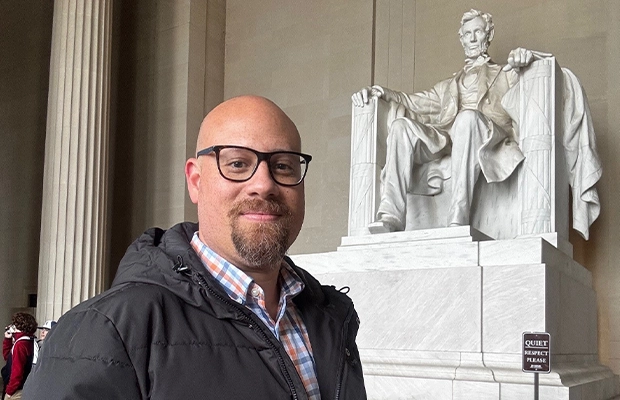
Daniel Jackson’s goal is to become a United States citizen. His American dream includes a career in telecommunications and cybersecurity, supporting his teenage daughter back home in Venezuela and eldest son in Houston, and prioritizing a healthy lifestyle.
“I felt like everything I had worked hard for was finally paying off,” Jackson said.
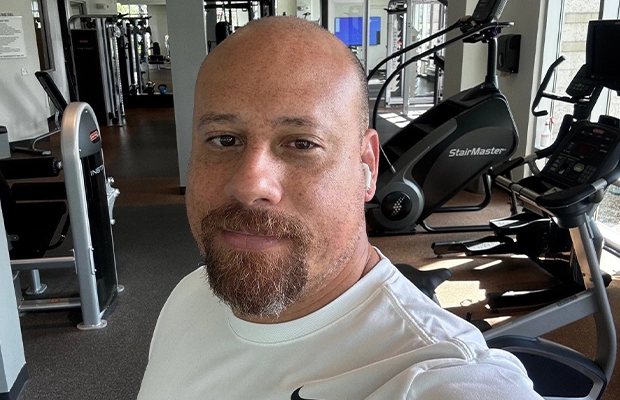
That dream was nearly taken from him on June 7, 2025, when the 46-year-old suffered a nearly fatal heart attack at a gym.
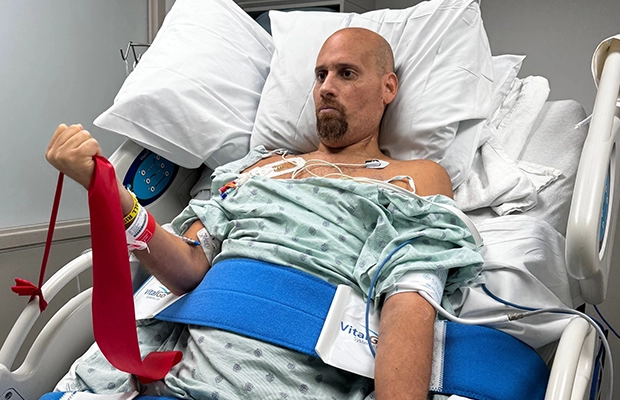
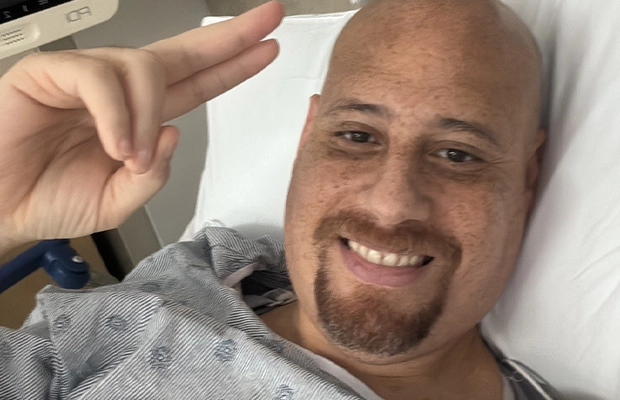
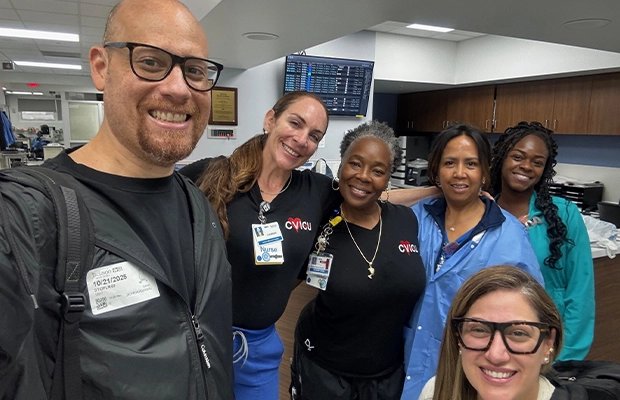
After receiving lifesaving CPR from a bystander, Jackson was taken to a hospital in Kissimmee near his home, where doctors placed a pump to help blood flow to his heart. Three days later, he was transferred to the cardiovascular intensive care unit at Jackson Memorial Hospital.
“He was nearly dead,” said Omar Wever-Pinzon, MD, medical director of advanced heart failure at Miami Transplant Institute—a partnership with Jackson Health System and UHealth – University of Miami Health System. “He was transferred to us very sick and in multi-organ failure.”
Dr. Wever-Pinzon’s team evaluated Jackson for a heart transplant or a left ventricular assist device (LVAD).
“It was a really tough road for him, but he was a trooper,” Dr. Wever-Pinzon added.
Jackson’s heart had complete blockages in two major arteries, stopping blood flow and causing the heart attack. His kidneys, liver, and lungs also started to fail as the consequences of the heart attack spread through his body.
“He also had a big blood clot and almost lost his right leg,” said Jeffrey Scott, DO, chief of critical care at Jackson Memorial. “He was right on the plan to have an amputation, but we decided to wait 24 to 48 hours to monitor him carefully to see if we could prevent it.”
The close monitoring made a difference. Jackson had a fasciotomy on his right leg, a procedure to release muscle pressure, rather than an amputation.
“He woke up around the 15th day, and that was the first sign of things getting better,” Dr. Scott said.
For Jackson’s heart failure, Dr. Wever-Pinzon wanted to monitor how well his heart worked using medications.
“Our goal is to keep him living with his own heart for many more years,” Dr. Wever-Pinzon said. “His heart is damaged, but the medications we use are stabilizing his condition.”
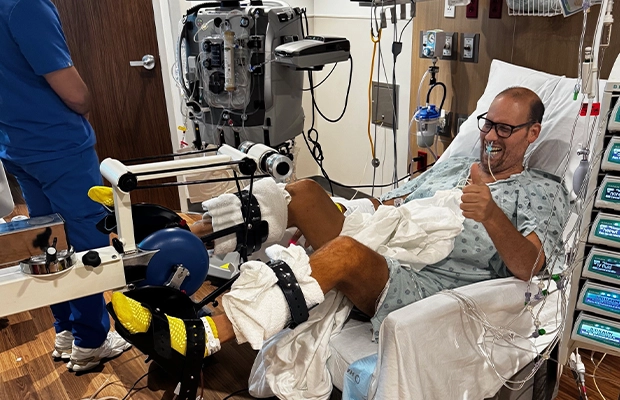
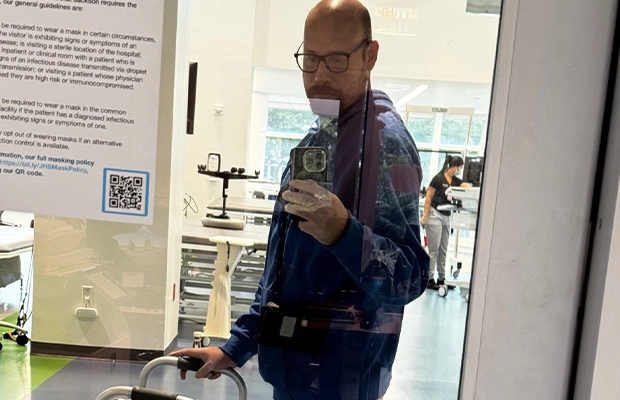
Seven weeks later, Jackson was discharged to rehabilitation. He lost a lot of muscle and needed to learn how to walk again.
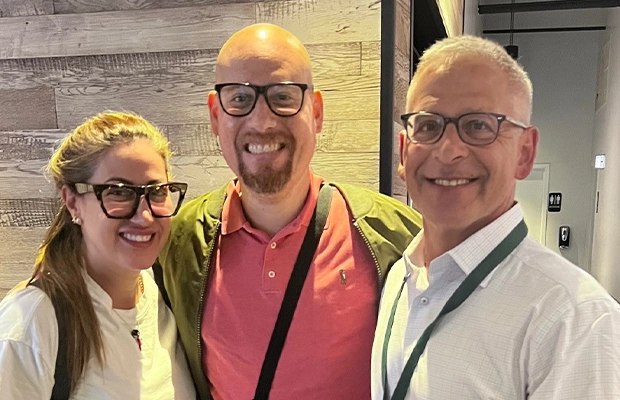
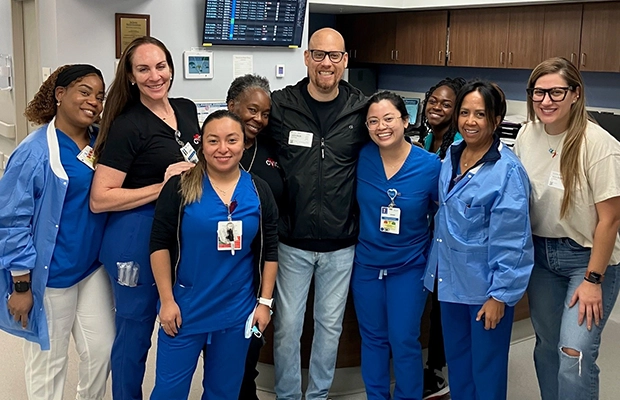
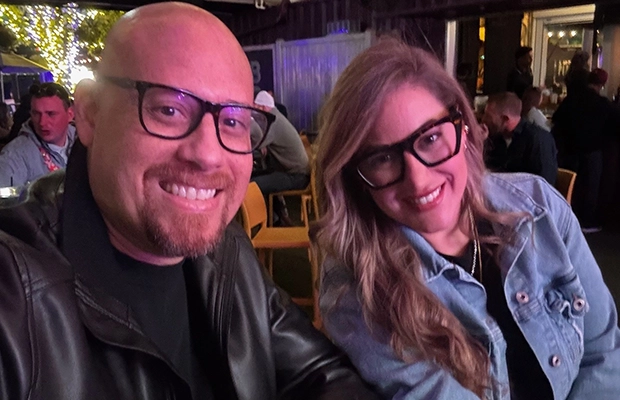
Through it all, Jackson’s loved ones remained by his side.
“My brother, my girlfriend, and my family were always there, pushing the doctors, providing information, and making sure I received the best care,” he said.
After 74 days in the hospital and rehab, Jackson was able to go home. By September, he returned to work part-time and used his recovery to get back on track toward citizenship.
Despite the setbacks, Jackson emerged not only physically stronger, but with a renewed perspective on life.
“I realized that no matter what challenges come your way, you need to keep moving forward. You can’t let setbacks stop you from achieving your goals,” he said.
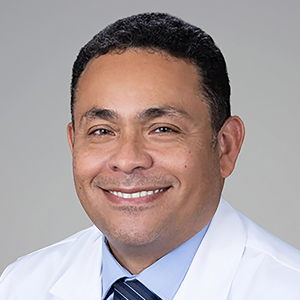
Omar Wever Pinzon, MD
Advanced Heart Failure & Transplant Cardiology, Cardiovascular Disease
Miami Transplant Institute
1801 N.W. 9th Ave. Miami, Florida 33136
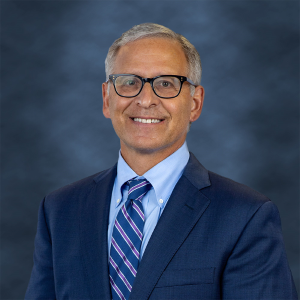
Jeffrey Scott, DO
Critical Care Medicine, Emergency Medicine, Surgical Critical Care
Jeffrey Scott
1611 NW 12th Ave East Tower 1186, Miami, Florida 33136